
Sound you hear
Music, nature sounds, and layered audio create an immersive listening experience.
Vibroacoustic therapy (VAT) is a complementary therapy that combines music or sound with low-frequency vibrations you can physically feel through your body. Unlike simply listening to relaxing music, the sound is delivered through a specialized surface.
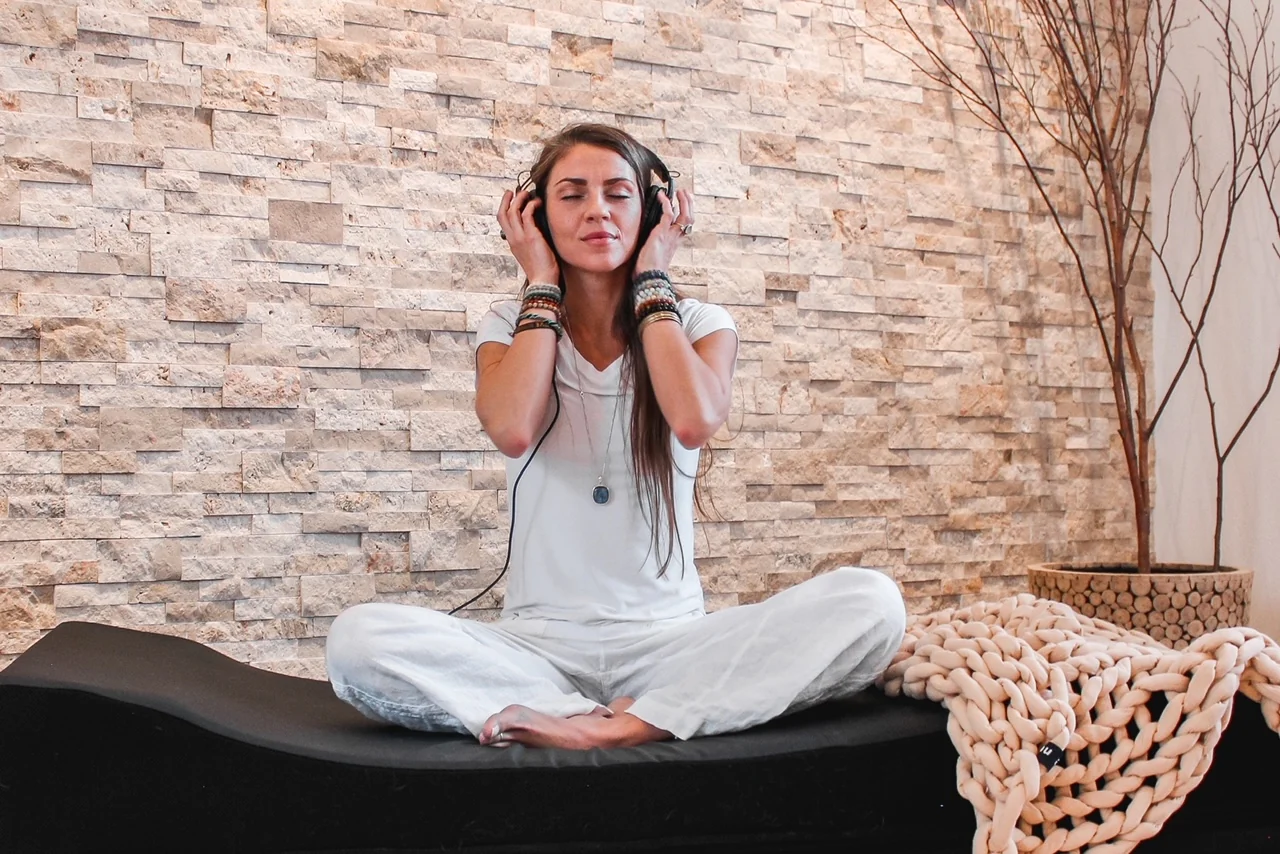
Sensory Lounge · Manufacturer product photography
VAT brings together two sensory experiences: audible sound and physical vibration. Transducers in a body-contacting surface turn audio signals into vibration, while headphones provide the listening experience.
The Sensory Lounge materials describe a specialized mattress with four built-in transducers, headphones, and an amplifier with controls. Ask the team about the equipment and comfort options for your visit.[1][2]
VAT is complementary support. It does not replace medical evaluation, psychotherapy, prescribed medication, or other clinician-directed treatment.
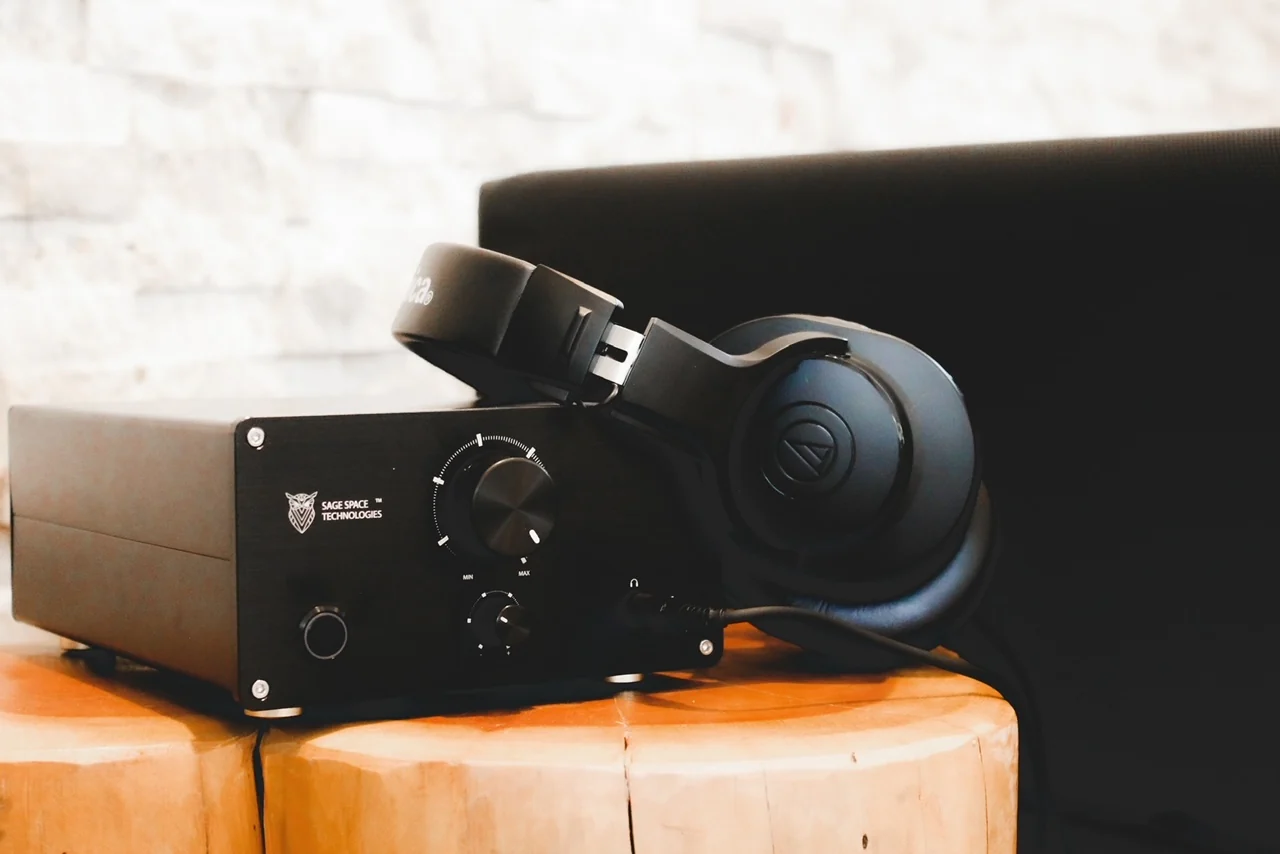
Music, nature sounds, and layered audio create an immersive listening experience.
Low-frequency vibration travels through the specialized lounge surface—not just through headphones.
Focus on sound, sensation, breathing, or simply resting. Every person’s experience is different.
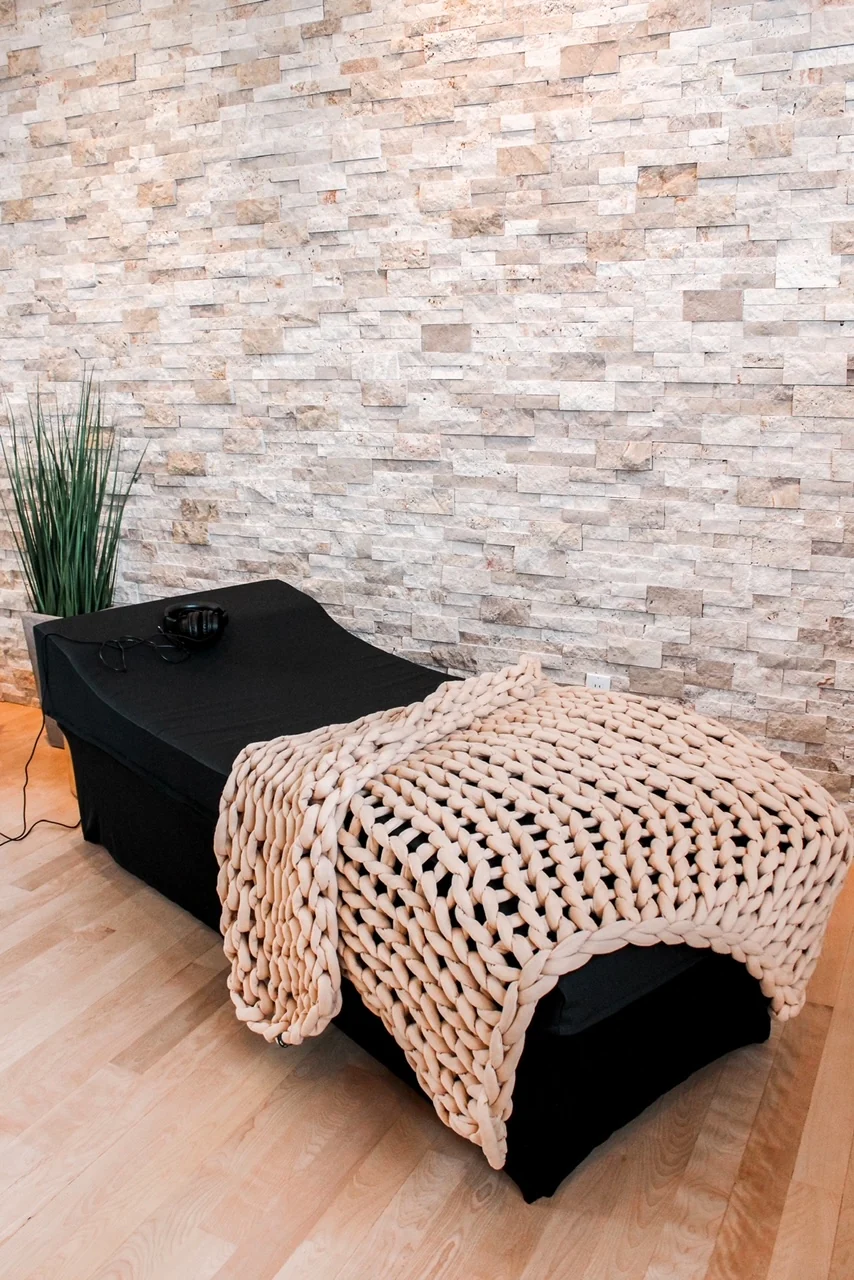
A conversation with the team helps you understand what to expect and whether VAT is appropriate for you.
Share your goals, health considerations, sensory sensitivities, and any positioning or accessibility needs.
Tell the practitioner how you felt, including any drowsiness, dizziness, nausea, or discomfort. Responses vary.[7]
The manufacturer FAQ describes programs of about 20–30 minutes; individual soundtracks vary. Confirm your appointment length, preparation, availability, and pricing with the office.[1]
VAT is not automatically suitable for everyone. An individual discussion with your healthcare professional is important before participating.
Tell the team about pregnancy; a pacemaker or another electronic implant; seizure disorders; acute injury, open wounds, or infection; severe anxiety, panic, or psychosis; and significant heart or cardiovascular concerns.[1][7]
These are reasons for individual review—not automatic exclusions or a complete screening checklist.Ask how to pause or stop before beginning. Report pain, distress, dizziness, nausea, or uncomfortable stimulation promptly. The manufacturer also notes possible temporary changes in blood pressure, heart rate, or breathing.[1][7]
Discuss suitability with our teamBrowse all 22 selections in the publisher’s Sensory & Aura Lounge catalog. Ask the team which programs are available for your session.
Soft synth pads, melodic bells, and jungle ambience.
An atmospheric soundscape with layered nature sounds and gentle electronic textures.
Titles and durations come from the manufacturer’s catalog. Themes are browsing labels—not clinical recommendations. Track lengths are not appointment lengths, and not every catalog entry is documented as including physical vibration. This is a description library, not an audio player.
Research into VAT is preliminary. Some reports describe short-term changes in relaxation, mood, or discomfort, but study designs, equipment, and participants differ. These findings do not establish VAT as treatment for anxiety, depression, chronic pain, sleep disorders, or other diagnoses.[4][5]
One study analyzed 38 young adults, without a control or sham group. Quiet rest, posture, and expectations could not be separated from the VAT experience. Long-term effects remain uncertain.[4]
A small case series followed 29 people; many also received other treatment or medication. Without a control group, symptom changes cannot be attributed to VAT alone.[5]
Manufacturer descriptions, track titles, and frequency labels are not independent evidence of clinical benefit. Continue your established care and discuss treatment decisions with your clinician.
Practical information about the experience, safety, soundtracks, and planning a visit.
No. Headphones provide audible sound, while a specialized lounge surface transmits low-frequency vibration that you can feel through your body. This tactile component distinguishes VAT from music listening alone.[1]
You may notice gentle vibration, music, and changes in body awareness. Some people describe relaxation, drowsiness, or dream-like sensations. Experiences vary, and there is no guaranteed response. Tell the team if any sensation is uncomfortable.[1]
The manufacturer’s FAQ describes programs of approximately 20–30 minutes, while individual soundtrack lengths vary. This is not a fixed Freedom Primary Care appointment length. Contact our office to confirm the duration and time needed for your visit.[1]
The Sensory Lounge product materials describe sound and vibration controls, and a clinical report describes beginning at a lower intensity. Discuss your comfort and preferences with the team; ask to lower or stop stimulation if it feels too strong.[2]
You can ask to stop. Before beginning, ask the team to show you how to pause the experience or request help. Speak up promptly if you feel pain, dizziness, nausea, distress, or other discomfort.[7]
Ask our office about arrival time, comfortable positioning, accessibility, and any instructions specific to your visit. Tell the team about health conditions, devices, sensory sensitivities, and relevant symptoms. Do not stop or change prescribed medication for VAT.
Discuss pregnancy, a pacemaker or other electronic implant, seizure history, acute injury or open wounds, active infection, severe anxiety or panic, psychosis, and significant heart or cardiovascular concerns. These are reasons for individual clinical review—not a complete list or an automatic exclusion rule.[1]
Speak with your healthcare professional and our team first. The manufacturer FAQ identifies pregnancy as a situation requiring individual suitability review; it does not establish that VAT is appropriate for every pregnancy.[1]
Tell the care team about your device before scheduling or participating. Medical review is important; the supplied research overview specifically advises physician consultation for people with a pacemaker.[7]
Discomfort or pain, dizziness or vertigo, nausea, and drowsiness have been reported. The manufacturer FAQ also lists possible temporary changes in blood pressure, heart rate, or breathing. Let the practitioner know about symptoms and stop if the experience is uncomfortable.[1]
Research is preliminary and does not establish VAT as a treatment for these conditions. Some studies report short-term symptom changes, but small samples, concurrent care, and missing control groups limit the conclusions. VAT is best considered a complementary sensory experience, not a replacement for established treatment.[4]
No. Continue clinician-directed care. Do not stop, reduce, or change medication because of a VAT experience; discuss treatment changes with your prescribing clinician.
The supplied materials do not establish that a particular frequency reliably produces a medical benefit. Frequency labels, musical keys, color names, and titles such as “Emotional Healing” describe the publisher’s audio catalog—not proven treatment effects.[3]
The supplied Sensory & Aura Lounge catalog lists 22 selections. Explore their descriptions and printed durations below, and confirm current choices with the team. A soundtrack’s duration is not your appointment length, and not every catalog entry is documented as including physical vibration.[3]
The Sensory Lounge materials describe headphones as part of the experience. Other VAT research has allowed different music preferences or vibration without selected music. Ask our team what adjustments and choices are available here.[5]
No light-based service is being advertised here. Color names in the soundtrack catalog are audio themes. VAT’s defining feature is sound and body-felt vibration, not flickering light.[3]
Contact the office for current session pricing and payment information. Do not assume that primary-care insurance benefits or DPC membership include VAT. Any insurance benefits should be confirmed with both the office and your insurer.
Call 860-245-1791 or contact Freedom Primary Care in Cromwell. The team can discuss suitability, current availability, equipment and positioning needs, session length, and preparation before you book.
Explore the supplied manufacturer materials at your own pace. Product descriptions and promotional wording are not guarantees of medical benefit.
An introduction to VAT, sound, and vibration.
Open PDFThe manufacturer’s experience and safety information.
Open PDFAll 22 soundtrack descriptions and printed durations.
Open PDFSensory Lounge equipment and product features.
Open PDFCall 860-245-1791 to discuss suitability, session options, current pricing, and availability at our Cromwell office.